


沼沢淑音PSOピアノリサイタル2026年
11月15日 (日)開演15時 開場14時30分 主催:ピアノスカラシップ大阪PSO
共催:OCCAワンコイン市民コンサート
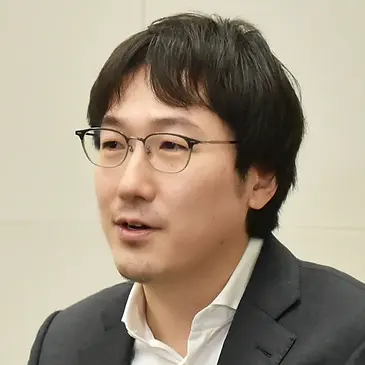
沼沢淑音 アルゲリッチが讃えた才能 Yoshine Numazawa
A Talent Praised by Martha Argerich
桐朋学園大学ソリスト・ディプロマを経て公益財団法人ロームミュージックファンデーションの奨学生としてエリソ・ヴィルサラーゼ氏のもと2015年にモスクワ音楽院を卒業。桐朋女子高等学校音楽科ピアノ科を首席で卒業、あわせて桐朋学園音楽部門より特別奨学金を授与される。
これまでに杉安礼子、故ウラジーミル・竹の内、辻井雅子、佐藤辰夫、広瀬康、野島稔、ミハイル・カンディンスキー、エリソ・ヴィルサラーゼの各氏に師事。
「素晴らしい輝かしいピアニストで私は彼の特別な繊細な感受性と音楽への献身に心動かされました。」(アルゲリッチ氏)「音楽に普遍的なアプローチをする事ができる個性的で創造的なアーティスト」(ネルセシアン氏)と称賛される。若い音楽家のためのチャイコフスキー国際コンクール、マウロ・
パオロ・モノポリー国際ピアノコンクール,ケルン国際音楽コンクール入賞、シュニトケ国際コンクール優勝、ポッツォーリ国際ピアノコンクールで優勝。また浜松国際ピアノコンクールに参加し「ネルセシアン賞」「( 公 財 )アルゲリッチ芸術振興財団賞 」を受賞しアルゲリッチ氏より別府アルゲリッチ音楽祭に招待され演奏する。外山雄三、沼尻竜典、アナトリー・レービン、ミヒャエル・ザンデルリング指揮、アンサンブル金沢、仙台フィルハーモニー管弦楽団、ケルン放送管弦楽団等と共演。また室内楽にも積極的に取り組み、2010年、崎谷直人・新倉瞳両氏とのピアノ・トリオのCDが発売され、レコード芸術誌に掲載される。
2024年度より桐朋学園大学のピアノ科准教授。PSO ピアノスカラーシップ大阪 第一期奨学者。
A graduate of Toho Gakuen College of Music’s Soloist Diploma program, she completed her studies at the Moscow Conservatory in 2015 under Eliso Virsaladze as a scholarship recipient of the Rohm Music Foundation. She has received top prizes at major international competitions, including the Tchaikovsky International Competition for Young Musicians and the Pozzoli International Piano Competition. Praised by Martha Argerich for her exceptional sensitivity and musical dedication, she has performed internationally as a soloist and chamber musician. Since 2024, she has served as Associate Professor of Piano at Toho Gakuen College of Music and is a first-term scholar of Piano Scholarship Osaka (PSO).
演奏曲 Program
グリーグ《抒情小曲集》より
ラフマニノフ《ピアノ・ソナタ第2番》1913年版
他
企画中
使用ピアノ ベーゼンドルファー・リストフリューゲルコンサートグランド250 1920年製 ヴィンテージピアノだけが持つ豊かなウィーンの響き
Grieg, From Lyric Pieces
Rachmaninoff, Piano Sonata No. 2 1913 version
others
Under planning
Piano Used : Bösendorfer Lisztflügel Concert Grand 250, built in 1920—the rich Viennese tone unique to vintage pianos
入場料
一千円 全席自由
演奏会場 開演時間 Concert Venue & Start Time
大阪大学大学会館ホール
豊中キャンパス
2026年11月15日(日曜日)
開演15時、開場14時30分
Venue: Osaka University Hall Toyonaka Campus
Sunday, November 15, 2026
Performance starts at 3:00 PM; doors open at 2:30 PM
前年度2025年PSO主催沼沢淑音ピアノリサイタルへのメッセージ
2025に寄せる思い 荻原哲・PSO代表理事
Reflections on the Yoshito Numasawa Piano Recital 2025 Satoshi Ogihara, Representative Director, PSO
ロマン派とは、音楽にとどまらず、文芸・絵画・科学の分野においても、一人ひとりの内面から湧き上がる感情や想像、思索が、率直かつ豊かなかたちで表現された時代であった。その表現には、確かな真実とともに、揺れ動く曖昧さや未解決の要素も含まれており、そうした不完全さをも抱えたまま、芸術としての姿を立ち現していた。
ロマン派芸術は、明確な論理や物語、共有された文法の上に構築されているのではなく、個人の感情や思索、幻視や夢といった曖昧な領域に深く根ざしている。ロマン派の芸術家たちは、「何が言いたいのか」よりも「自分がどのように感じているか」を重視しており、そのため受け手には解釈の自由が与えられると同時に、意味の揺らぎや読み解きの困難さが伴う。
明快さがないからこそ、そうした揺らぎや困難さの中にこそ、ロマン派芸術は、言葉では言い表せないような感情の動きを引き起こす力を秘めている。壮大なスケール、極端な情感、そして構造の曖昧さをもつ作品は、単純な意味づけや物語化を拒み、聴き手を慰めるでもなく、すっきりと終わるわけでもない。だからこそ、そのような音楽には、今なお語りかけてくる力があるのではないだろうか。
クラシック音楽が現代において芸術として受けとめられるためには、「芸術とは何か」という根源的な問いを手放さない姿勢が求められる。それは、単なる娯楽ではなく、表現と真剣に向き合う態度のことでもある。グリーグ、シューマン、チャイコフスキー、ラフマニノフはいずれも、生の深層と向き合いながら作品を生み出した。彼らの音楽に応答するには、私たちもまた、響きの奥に潜む切実さや沈黙の気配に耳を澄まそうとする感受を携えていなければならない。
まさにその問いを、静かに受け止めているのがピアニスト沼沢淑音である。彼の演奏は、興行的な配慮や即時的な明快さ、あるいは安易な共感ではなく、内面的な問いかけと芸術への応答から立ち現れている。PSO(ピアノ・スカラーシップ・大阪)は、そうした若き芸術家の選択を支え、その成長の過程を信頼するために設けられた制度である。即時的な明快さでは測れない必然の選択を尊重することは、芸術そのものを信じることにつながっている。
ロマン派音楽が本質的に孕む「不可解さ」、そして沼沢淑音という芸術家があえて選び取った作品に見られる「不可思議さ」。それらを真正面から受けとめることによって、私たちの側にも「芸術とは何か」という問いが引き寄せられてくる。作品そのものの多義性を信じることと、その選択に宿る必然性を信じること、この二重の信頼こそが、いまクラシック音楽と向き合うための静かな出発点となるのではないだろうか。二重の信頼──芸術と選択のあいだで
ロマン派とは、音楽にとどまらず、文芸・絵画・科学においても、ひとりの人間の内面に生まれた感情や想像、思索が、そのまま膨らみをもって表現され、そこに真実と誤謬が入り混じったまま立ち現れてくる時代であった。
ロマン派芸術は、明確な論理や物語、共有された文法の上に構築されているのではなく、個人の感情や思索、幻視や夢といった曖昧な領域に深く根ざしている。ロマン派の芸術家たちは、「何が言いたいのか」よりも「自分がどのように感じているか」を重視しており、そのため受け手には解釈の自由が与えられると同時に、意味の揺らぎや読み解きの困難さが伴う。
そうした揺らぎや読み解きの困難さの中にこそ、ロマン派芸術が単なる説明や理解を超えて、深い感受や共鳴を呼び起こしうる力がある。そのような反応が常に生まれるとは限らないが、それゆえに芸術との関わりは、時に容易ではなく、応答を求める沈黙の場ともなりうる。
コンサートを謎のまま終えるということ。それは明快な終止符ではなく、むしろ問いを残して幕を閉じるということである。壮大なスケール、極端な情感、そして構造の曖昧さをもつ作品は、単純な意味づけや物語化を拒む。聴き手を慰めるでもなく、すっきりと終わるわけでもない。だからこそ、そのような音楽には、今なお語りかけてくる力があるのではないだろうか。
クラシック音楽が現代において芸術として受けとめられるためには、「芸術とは何か」という問いを手放さない姿勢が求められる。それは、単なる娯楽ではなく、表現と真剣に向き合う態度のことでもある。グリーグ、シューマン、チャイコフスキー、ラフマニノフはいずれも、生の深層と向き合いながら作品を生み出した。彼らの音楽に応答するには、私たちもまた、ただ耳に心地よい響きの背後にある、切実さや沈黙の気配を感じ取ろうとする感受を携えていなければならない。
まさにその問いを、自身の演奏活動の中で引き受けているのが、ピアニスト沼沢淑音である。彼の作品選択は、興行的な配慮や即時的な理解の得られやすさとは異なる次元に根ざしており、それぞれが彼自身の内面的な問いかけや、芸術との対話の中から立ち現れてくる。そこには、耳あたりのよさでは測れない選択の必然があり、それを尊重することは、芸術という営みそのものを信頼することにもつながっている。
ロマン派音楽が本質的に孕む「不可解さ」、そして沼沢淑音・Yoshito Numasawaという芸術家があえて選び取った作品に見られる「不可思議さ」。それらを真正面から受けとめることによって、私たちの側にも「芸術とは何か」という問いが引き寄せられてくる。この二重の信頼──作品そのものの多義性を信じることと、その選択に宿る必然性を信じること──こそが、いまクラシック音楽と向き合うための静かな出発点となるのではないだろうか。
Romanticism was an era—extending beyond music to encompass literature, painting, and science—in which the emotions, imagination, and contemplation emerging from the depths of individual interiority were expressed with candor and abundance. It was a time when artistic expression manifested as a complex admixture, inextricably blending profound truths with fallacy, oscillating between certainty and ambiguity.
Romantic art is not constructed upon explicit logic, clear narratives, or a universally shared grammar; rather, it is deeply rooted in the obscure domains of personal emotion, introspection, visions, and dreams. Romantic artists prioritized how they felt over what they intended to say . examined, while the recipient is granted interpretive freedom, they are simultaneously burdened with semantic instability and the difficulty of deciphering the work.
Yet, it is precisely within this lack of clarity—within this fluctuation and difficulty—that Romantic art possesses the power to evoke deep affect and resonance that transcends mere explanation or intellectual understanding. While such a reaction is not guaranteed, engagement with this art is rarely facile; it becomes a locus of silence that demands a response from the listener.
To conclude a concert in mystery is not to offer a decisive period, but to lower the curtain while leaving a question hanging in the air. Works characterized by grandeur of scale, extreme emotional states, and structural ambiguity refuse simple semantic assignment or convenient narrativization. They do not seek to comfort the listener, nor do they resolve neatly. Perhaps it is for this very reason that such musics retain its power to speak to us today.
For classical music to be received as true art in the contemporary world, we must not relinquish the fundamental ontological inquiry: "What is art?" This requires an attitude that treats music not as entertainment mere, but as an expression demanding serious engagement. Grieg, Schumann, Tchaikovsky, and Rachmaninoff all created their works while confronting the deep abyss of life. To respond to their music, we, too, must possess a sensibility that listens for the urgency and the presence of silence lurking behind the pleasant façade of sound.
It is the pianist Yoshito Numasawa who quietly accepts this very inquiry within his performance practice. His repertoire selection is rooted in a dimension far removed from commercial expediency or immediate accessibility; each piece emerges from his own internal questioning and his dialogue with the art form. The PSO (Piano Scholarship Osaka) was established precisely to support such choices by young artists and to place trust in their process of growth. Respecting these inevitable choices—which cannot be measured by the metric of instant clarity—is synonymous with believing in the act of art itself.
The "inscrutability" intrinsic to Romantic music, and the "enigma" found in the specific works Yoshito Numasawa has dared to select—by accepting these elements head-on, the question of "What is art?" is drawn toward us, the audience. To believe in the polysemy of the work itself, and to believe in the inevitability of the artist's choice: is this double trust not the quiet starting point required for us to truly face classical music today?